
Is Jesus a historical figure? RE resources

Jesus is a proven historical person.
He was different; he spoke about God in a real way, and he loved people.

1. Teacher’s background information.

Is Jesus a historical figure like Napoleon Bonaparte or Julius Caesar?
Yes, he is proven to be a real historical person according to ancient secular records as well as Christian writings.

For teachers’ background interests, see these articles: (They all open in a new tab.)

The topics covered are:

  • What makes some people so important?
  • Is Jesus a historical figure?
  • The year’s date in relation to Jesus.
  • How many Christians are in the world now?
  • What did Jesus do?
  • What makes Jesus so important?
  • What do Christians believe God is like?

ASSESSMENT AIM: 2. Beliefs (Ideas about God, truth, meaning & purpose)
Can describe what believers think about God or ultimate reality
What do Christians believe God is like?

Attention – by clicking ‘play’ on any of the videos, your browser will load all of the YouTube cookies.
Clicking ‘play’ means you are consenting to these Cookies.

2. Lesson plans and resources for Is Jesus a Historical Figure?

[a] Is Jesus a historical figure? The lesson plan is a downloadable PDF document to present to the children.

[b] Is Jesus a historical figure? RE lesson plan is a PowerPoint presentation (Opens in a new tab on www.slideshare.net) viewable or downloadable for teachers who can use electronic equipment in the classroom. (Same material as the PDF above).

[c] Is Jesus a historical figure? The lesson plan is a video based on a PowerPoint presentation. Created with 5-second slides, so pause the video to enable the children to study each slide: (Same material as the PDF above).

[d] Timeline template image to download for children to add major events and historic people.
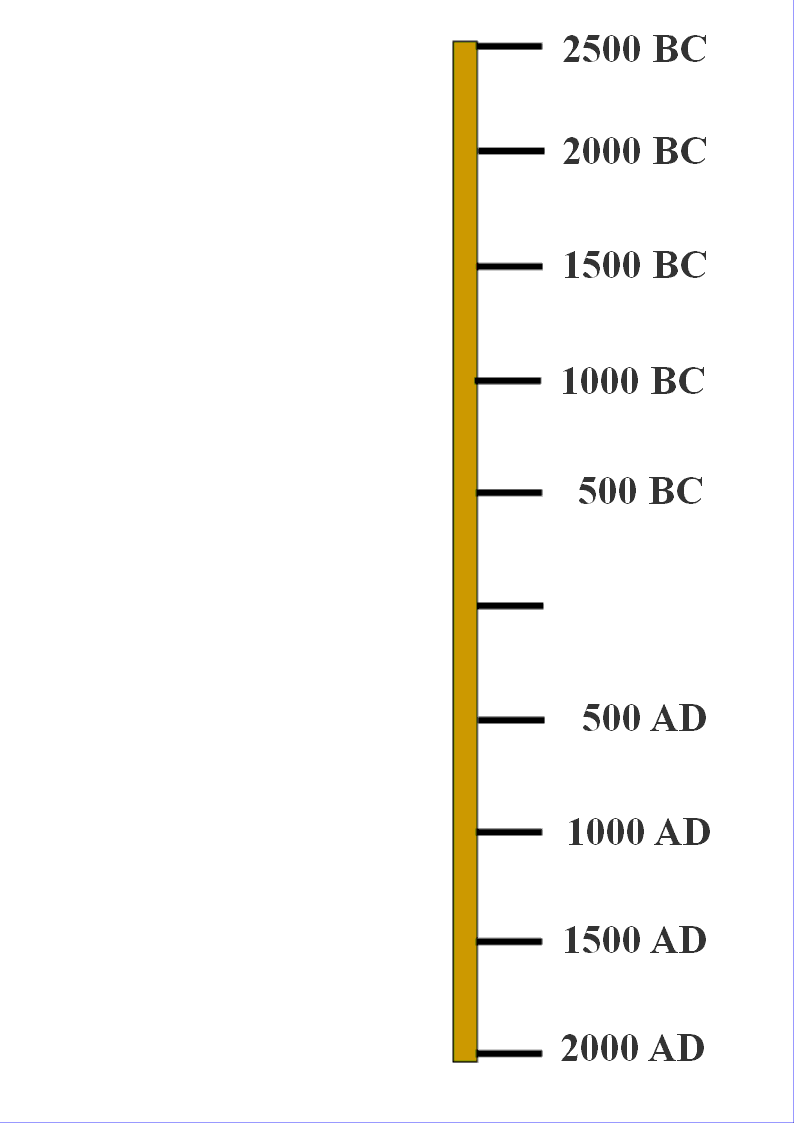
[e] Print off these images of different people and places for the timeline: Timeline pictures

[f] For teachers to teach from a printable document, the Jesus lesson plan – a historical figure is a resource for teachers who cannot use electronic displays.

[g] Free videos and songs:
See below for two videos and two songs.

3. Children’s Cartoon Bible Story videos:

[a] Jesus asks the disciples who they think he is… (2.12 minutes long)

Simon Peter’s confession of Jesus Christ – a children’s Bible Story.

[b] John the Baptist Kids Bible Story part 2, including Jesus’ baptism (4.03 minutes long)

John the Baptist recognises Jesus as the Lamb of God, and then he sees the Holy Spirit descending like a dove, and he hears God’s voice…

4. Two free children’s songs about Jesus:

[a] The Man with Leprosy Bible Story – Luke 5:12-16

Everyone hated people with leprosy, but Jesus reached out to them…

This song by John Hardwick can be used in R.E. lessons, assemblies, collective worship, church children’s talks, Sunday schools, etc.

[b] ‘God’s Story – Jesus’ by Crossroads Kids’ Club.

Jesus was completely human, but ALSO completely God!
That means He was perfect and never did anything wrong.
He ate and slept and had friends just like you and me, but he could also do incredible things that only God can do.

5. How to fulfil the locally agreed syllabus on ‘Is Jesus a historical figure? Lesson Plan’

Hopefully, you will be able to match your local agreed syllabus with what is here.

This lesson plan is based on the UK RE Attainment Targets.
Here is the Mapping Grid for the Attainment Target Categories:

  • Sacred Texts – stories, scriptures, parables, teachings
  • Beliefs – ideas about God, truth, meaning, purpose
  • Practices – worship, prayer, festivals, rituals, lifestyle
  • Identity – belonging, community, worldview, personal reflection
  • Values – moral ideas, attitudes, virtues
  • Living – how beliefs affect actions and everyday life

🎯 Why This Grid Works for UK Schools
✔ Matches Agreed Syllabus expectations
✔ Supports progression from KS1 to KS2
✔ Aligns with Ofsted language (knowledge, understanding, impact)
✔ Works for lesson planning, assessment, and inspection evidence
✔ Non-political, non-denominational, UK-appropriate

For many local syllabi, in KS1, Christianity plus at least one other major religion is studied.
Effective RE should combine:

  • knowledge (stories, beliefs, practices)
  • understanding (why people believe/do what they do)
  • reflection (personal response, values, empathy).

Typical Key Questions for KS1
Here are common “core/enquiry” questions or themes that appear in most KS1 agreed syllabi:

  1. “Who am I?” (Identity).
  2. “What does it mean to belong?” (Belonging).
  3. “What makes some people so important?” (Important people).
  4. “Where did we come from / how did the world begin?” (Simple beliefs).
  5. “What makes some stories so important to different people?” (Sacred books).
  6. “Why are festivals, symbols or special stories important?” (Stories & moral values).
  7. “Why are some places so important?” (Important places).

These then required merging within the Assessment Aims, but as can be seen, there had to be some overlapping of the themes/core questions:

  • ASSESSMENT AIM: 1. SACRED TEXTS (Stories, Scriptures, parables & teachings) – [SACRED TEXTS & WHO AM I?]
  • ASSESSMENT AIMS: 2. BELIEFS (Ideas about God, truth, meaning & purpose) – CREATION & IMPORTANT PEOPLE]
  • ASSESSMENT AIM: 3. PRACTICES (worship, prayer, festivals, rituals & lifestyle) – [FESTIVALS & PLACES]
  • ASSESSMENT AIM: 4. IDENTITY (belonging, community, worldview & personal reflection) – [BELONGING & IDENTITY]
  • ASSESSMENT AIMS: 5. VALUES (moral ideas, attitudes, virtues, right & wrong) – [FESTIVALS & BELONGING]
  • ASSESSMENT AIMS: 6. LIVING (how beliefs affect actions and everyday life) – [IMPORTANT PEOPLE & FESTIVALS]

Each assessment had its own set of questions to answer. These are included in each lesson plan, which is suitable for that particular subject.